
SLEEP AUDIO
Bluetooth Sleep Headphones Headband Buying Guide
A soft Bluetooth headband can make bedtime listening more comfortable. Here is how to choose one that fits your routine, your pillow, and your preferred way to wind down.

For some people, a few minutes of familiar audio is an easy way to separate the day from bedtime. The problem is that ordinary headphones are built for sitting up, commuting, working out, or taking calls. Press an earbud into a pillow and it can become the only thing you notice. Wear large headphones to bed and the headband can fight with your pillow before the track has even started.
That is where a Bluetooth sleep headphones headband earns its place. It moves the speakers into a soft band that sits around the head instead of inside the ear. The format is simple, but the details matter. A comfortable band, flat speaker placement, sensible battery life, and a quick setup make the difference between something you use every night and something that stays in a drawer.
This guide is about choosing the right format for your habits, not treating a gadget as a cure for poor sleep. Build the routine first, then choose audio gear that supports it.
What is a Bluetooth sleep headphones headband?
A Bluetooth sleep headphones headband is a soft, stretchable fabric band with thin speakers tucked into the material. It pairs with a phone or other Bluetooth device, letting you listen without wearing traditional earbuds. Most styles look similar to a light workout headband, though the useful ones are designed to lie flatter at the ears.
The main appeal is pressure reduction. Instead of a hard plastic earbud sitting between your ear and pillow, the audio is delivered by a low-profile speaker inside fabric. That can be especially appealing for side sleepers, travelers, and anyone who finds standard headphones distracting at bedtime.
It also creates a simple boundary for a wind-down routine. Put the band on, choose the audio, set the timer, and put the phone face down. The point is not to keep scrolling in bed. It is to make your preferred audio easy to start and easy to stop.
Start with your sleeping position
Side sleepers should make comfort the first filter. A thick speaker, a stiff seam, or a control module that lands on the temple can feel fine when you are upright and annoying the moment your head meets the pillow. Look for a smooth, flexible band and speaker pockets that let you make small adjustments before you settle in.
Back sleepers have more room to choose, but fit still matters. A band that is too loose can slide toward the eyes, while one that is too tight can leave you thinking about the fit instead of the audio. If you change positions through the night, a soft band with a stable, not restrictive, fit is the safer choice.
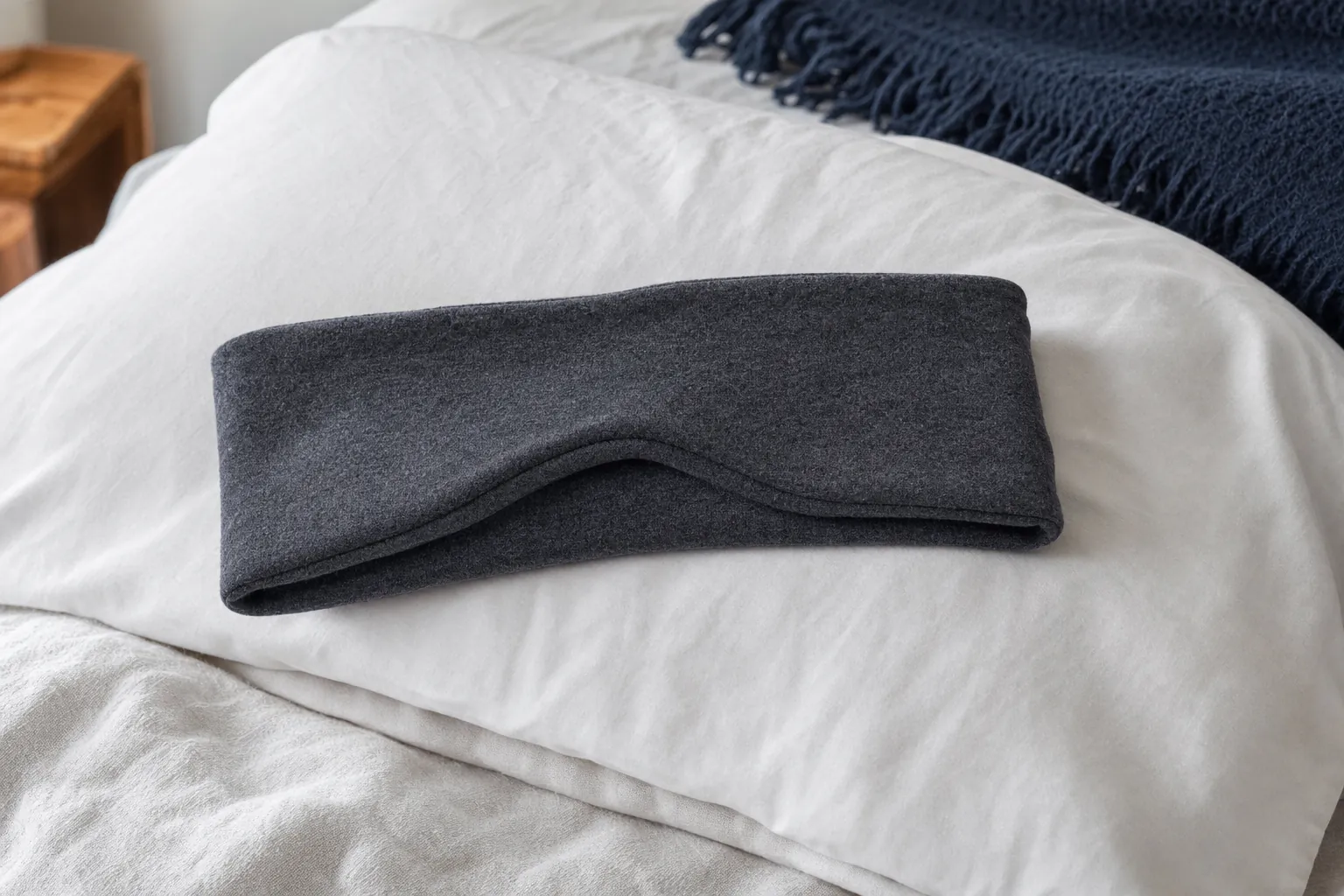
Think about the pillow you already use. A very firm pillow makes any speaker more noticeable, while a softer pillow lets the side of the head sink in farther. There is no universal answer, so test the headband while lying in your normal position before deciding it is a keeper.
Speaker placement matters more than big sound
For bedtime listening, the goal is not concert-level detail. It is clear, comfortable sound at a low level. The most important feature is speaker placement. The speakers should land over the ears without pressing directly into them, and they should stay there when you turn your head.
Adjustable speaker inserts are useful because head shapes and ear positions vary. Move each speaker while you are lying down, not just while standing at a mirror. If the sound seems muffled on one side, it may simply be sitting too far forward or too low.
Do not confuse a sleep headband with active noise-canceling headphones. A fabric headband generally does not block or cancel room noise in the way a sealed earbud can. It works best for people who want personal audio without the feel of something inserted into the ear.
Choose audio that helps you settle, then set a stopping point
The best bedtime audio is the audio you can ignore once it starts. Some people choose a familiar audiobook because there is no pressure to follow every word. Others prefer gentle music, a slow podcast, ambient sound, or white noise. New, fast-paced, or emotionally charged content can keep the brain engaged when the point is to wind down.
Set a sleep timer before the first track starts. A timer keeps a 20-minute routine from turning into an all-night queue and makes battery life less of a concern. The National Heart, Lung, and Blood Institute recommends a sleep environment that is quiet, dark, cool, and comfortable, so treat audio as one small part of the room rather than the whole plan. Its healthy sleep habits guidance is a useful place to review the basics.
Keep the volume low enough to fade into the background
Bedtime is not the time to chase a stronger bass line or turn up a podcast to cover every outside sound. Start at the lowest level where you can still hear the audio comfortably, then step it down once you are settled. If you wake during the night and the sound feels prominent, it is probably louder than your routine needs.
Hearing protection is about both volume and listening time. The National Institute on Deafness and Other Communication Disorders advises people to keep listening levels down and take breaks from loud sound. Their guide to how loud is too loud offers practical context for everyday headphone listening.
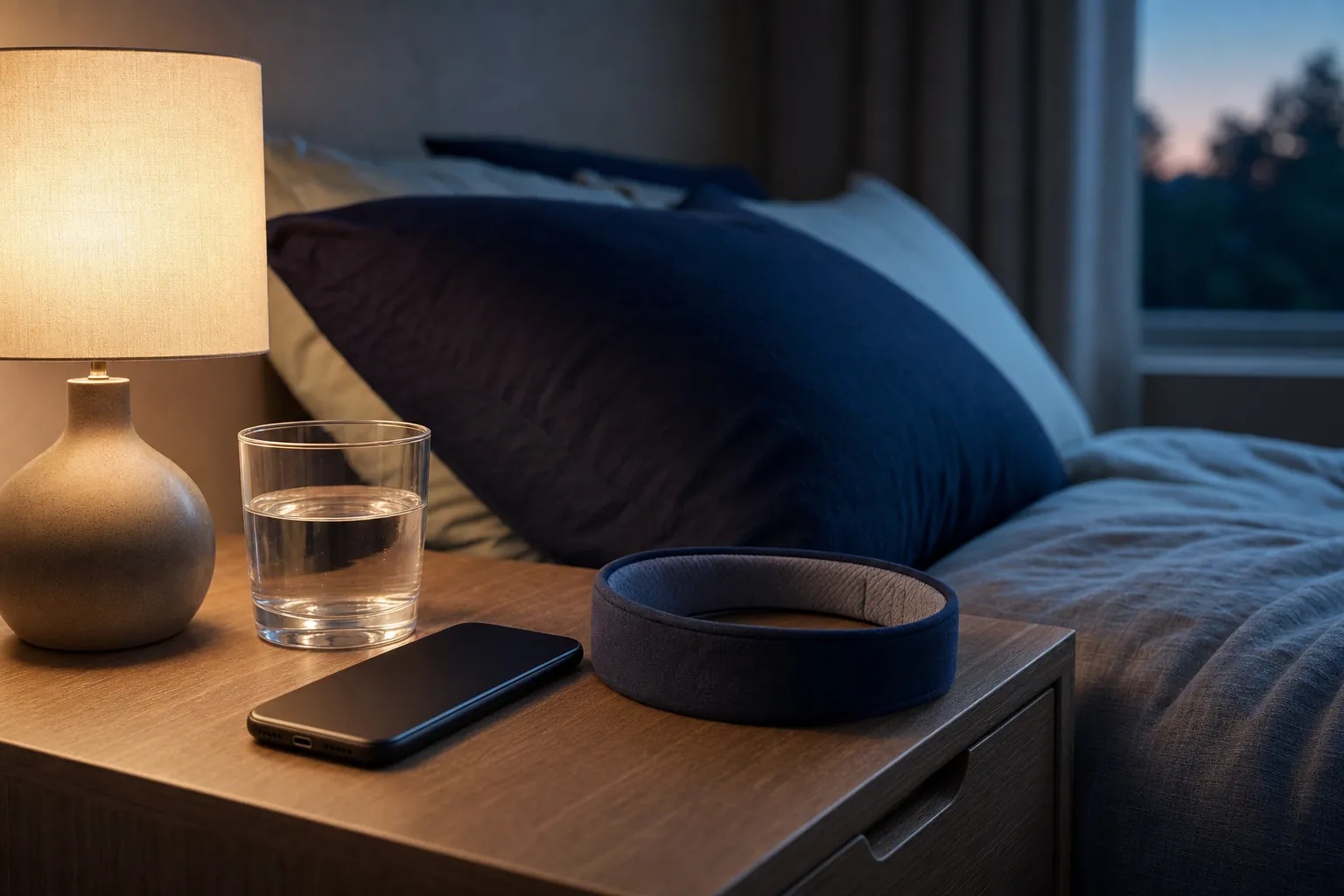
For a sleep headband, the simple rule is good enough: low volume, a timer, and no audio that makes you want to check your phone. If you experience ear pain, ringing, irritation, or a noticeable change in hearing, stop using the device and speak with a qualified healthcare professional.
Battery life should match your actual routine
Battery claims can look impressive, but the more useful question is how long you really listen. Someone who uses a 30-minute timer needs a different setup than someone who plays rain sounds until morning. A longer runtime means fewer charging interruptions, but it also matters where the charging port and controls sit. You do not want a bulky control unit pressing into the back of your head.
Build a charging habit that is easy to remember. Charge the band while you get ready in the evening, or keep it by a charger after breakfast. The best routine is the one that does not leave you reconnecting a dead device when you are already tired.
Set it up once before you need it
Do the first pairing during the day, when you are not trying to fall asleep. Fully charge the band, pair it with the device you normally use at night, and play a familiar track at a low volume. Learn where the controls are, then move the speaker inserts until the sound lands naturally over your ears.
Next, test the small details in your usual sleep position. Turn onto your side, adjust the band so it clears your eyes, and make sure the controls are not caught beneath a pillow. A two-minute test before bedtime is much more useful than judging fit from a product photo or from a few minutes on the couch.
Finally, prepare one simple audio shortcut. It might be a playlist, an audiobook chapter, or a single soundscape with a timer already saved. Keeping the choice simple reduces the temptation to browse for something better when you should be putting the phone away.
Look for a band you can keep clean
Fabric sits against the forehead and hair, so care matters. Check whether the electronics can be removed before washing, whether the fabric can be hand-washed, and how long it takes to dry. A washable band is easier to keep in rotation, especially if you use it for travel, workouts, or an evening wind-down.
Before washing, remove the speaker components if the product instructions say to do so. Avoid soaking any charging module or speaker assembly. Let the fabric dry fully before reinstalling the electronics. The goal is basic care, not a complicated maintenance project.
Who should choose a sleep headband instead of earbuds?
A sleep headband is a strong fit for people who want personal audio but dislike the feeling of earbuds. It can also suit side sleepers, people who move between bedtime listening and light exercise, and travelers who want a soft, packable option. The band is usually less isolating than an in-ear design, which some people prefer when they still want to hear an alarm or another person in the home.
Earbuds may still be better when you need a more compact travel setup, a strong seal against outside sound, or highly detailed music listening. The right choice is the one that feels comfortable enough to forget about and simple enough to use consistently.
Know the tradeoffs before you buy
A fabric sleep headband is built for comfort and convenience, not for every listening job. It will not deliver the same isolation as a sealed earbud or the same full sound as a larger pair of headphones. If a partner's snoring, street noise, or a loud household is the central problem, you may need to change the room setup as well as your listening gear.
The band can also feel warm if you run hot at night, and a loose fit can migrate as you move. Those are not deal breakers, but they are reasons to prioritize soft, breathable material and a fit that holds without squeezing. Read the listed dimensions, care instructions, and return terms before ordering, especially if you are sensitive to headwear while sleeping.
Above all, keep expectations realistic. A sleep headphone headband is a tool for private, comfortable audio. It can support a calmer routine, but it cannot replace a comfortable room, regular sleep habits, or professional advice when sleep problems are persistent.
A practical pick for a softer listening routine
Sounds of Decibels carries a Bluetooth Sleep Headband made for sleep, relaxation, workouts, and travel. It has soft fabric, ultra-thin built-in speakers, Bluetooth connectivity, and a stated runtime of up to 10 hours. That makes it a straightforward option for someone who wants to try a fabric headband format without overcomplicating the setup.
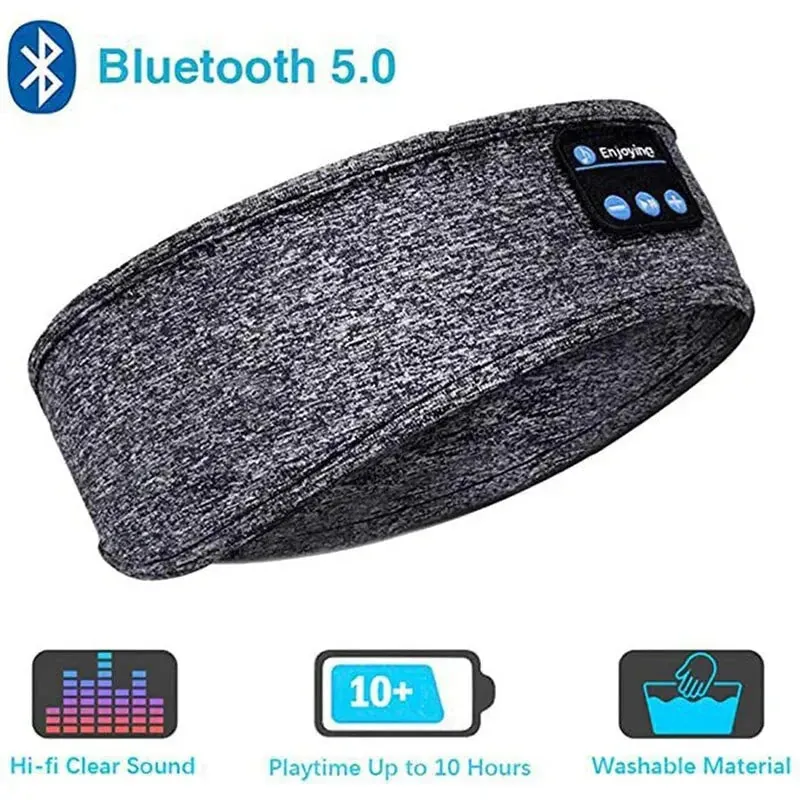
It is one option among a wider Sound & Sleep collection built around calmer evenings and more useful everyday gear. Before ordering, check the current product page for available colors, price, and full details. If you have a question about ordering or shipping, the frequently asked questions cover the essentials.
Quick checklist before you buy
- Choose a soft, low-profile band if you sleep on your side.
- Check that the speakers can sit directly over your ears without pressure.
- Match the battery runtime to the way you actually listen.
- Use a timer and start with a low volume.
- Confirm the care instructions before washing fabric or removing electronics.
- Pick audio that helps you disengage, not content that keeps you awake.
A good sleep headphone headband should disappear into the routine. When the fit is comfortable, the audio is quiet, and the timer is already set, you can put attention back where it belongs: getting some rest.
Frequently asked questions
Are Bluetooth sleep headphones headbands good for side sleepers?
They can be a more comfortable option than bulky headphones or firm earbuds because the speakers sit inside a soft, flexible band. Comfort still depends on the speaker profile, the band staying in place, and your pillow.
Can you sleep with Bluetooth headphones on?
Many people use sleep headphones for low-volume audio while winding down. Keep the volume comfortable, avoid anything that causes pressure or irritation, and stop using a pair that makes your ears sore or disrupts your sleep.
What should I listen to with sleep headphones?
Choose something that makes it easier to settle, such as a familiar audiobook, gentle music, a low-key podcast, or a steady soundscape. The best choice is personal, but a sleep timer helps avoid playing audio longer than you need.
How long should a sleep headphone headband battery last?
A useful target is enough battery for your normal routine plus a little margin. If you listen for an hour or two before bed, an all-night battery is not essential. If you play audio through the night, check the stated runtime and charging routine before buying.